€ EUR
€ EUR

When we talk about yoga inversions, you may immediately think of postures like Handstand and Headstand. However, there are many gentler poses that also qualify, including Legs Up the Wall, one of yoga’s best-loved restorative poses.
Also known as Viparita Karani, this posture is a wonderful way to rest your legs after a yoga practice session or a long day, and it can help relax your body for sleep at night.
Viparita Karani Step-by-Step Instructions
- Set up your yoga mat with the short end at a wall. If you are using a bolster or blanket, place it lengthwise against the wall.
- Roll into the posture to get as close to the wall as possible. Sit sideways at the wall-end of your mat with your knees bent and your hip and shoulder touching the wall. If you are using a prop, sit on it.
- Roll onto your back, swinging your legs up the wall with the soles of your feet facing the ceiling.
- If your butt isn’t right up against the wall, adjust yourself by bringing the soles of your feet to the wall and pressing into them to lift your butt and lower back away from the floor. Use your forearms to scoot your body closer to the wall.
- Once you are situated, close your eyes and plan to spend at least several minutes in this position. You can take your Savasana with your legs up the wall if you like.
- To come out, bend your knees and roll over onto one side.
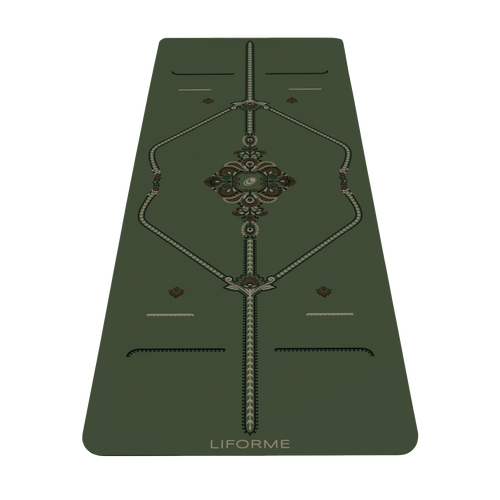
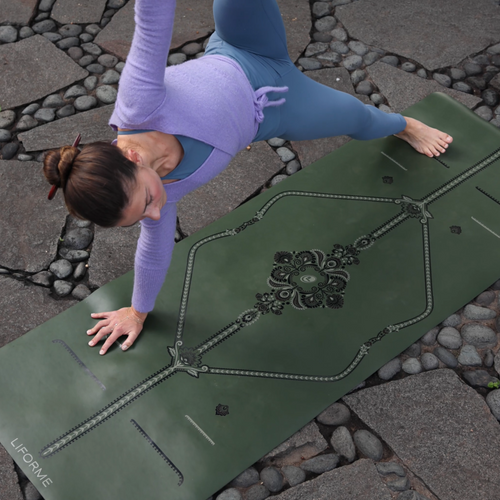
 Featured Yoga Mat: Liforme Classic Yoga Mat in Olive
Legs Up the Wall Basics
Sanskrit Meaning: Viparita (Inverted) Karani (To Do)
Yoga Level: Beginner
Pose Type: Supine
Pose Category: Inversion
Props: Bolster, yoga block or folded blankets
Viparita Karani Benefits
- Improved circulation and lymphatic drainage
- Calming and relaxing
- Refreshes tired legs and feet
- Stretches the backs of the legs
Tips for Beginners
There isn’t much that can go wrong here because if you put your legs up the wall, you’re doing it right.
Play around with different props until you find a position that feels really supportive and good. If you need a little extra elevation or support, place a bolster, yoga block, or several folded blankets under your pelvis.
Variations
Try taking your legs into different positions, like a wide angle, Baddha Konasana, or Lotus.
Why We Practice Viparita Karani
Legs Up the Wall is all about resting and rejuvenating. It feels great after a yoga practice in which you’ve done a lot of standing poses, but you don’t have to wait for yoga time to enjoy it.
Do it after a long day at work, on your bed before turning out the light, or any time your hard-working feet and legs need a break.
Legs Up the Wall FAQs
What does Legs Up the Wall do?
It's a gentle inversion that can ease tired, swollen, or achy legs and feet while calming the nervous system.
How long should you hold Viparita Karani?
Anywhere from a few minutes up to fifteen or twenty. Start with five minutes and stay longer if it feels good. There's no need to rush.
Is Legs Up the Wall good before bed?
Yes. It’s a great way to wind down, and many people practice it in bed as part of a bedtime routine.
Who should avoid Legs Up the Wall?
Anyone with glaucoma, uncontrolled high blood pressure, or a recent eye injury should take care, and it's worth checking with a healthcare professional if you're pregnant or managing a medical condition.
Can you do Legs Up the Wall without a wall?
Yes. You can rest your legs on a chair, sofa, or bolster instead for similar benefits with less intensity.