€ EUR
€ EUR

A standing balance with a bind and leg extension is never going to be a walk in the park for most people, but it becomes a lot more possible when you break down the entry step by step. So, that's exactly what we're going to do here.
Svarga Dvijasana asks you to bring together a few different skills at once: a behind-the-back bind from Bound Side Angle Pose, solid single-leg balance, and enough hamstring and hip openness to extend the bound leg. None of these elements are simple on their own, which is why working through the preparatory poses and understanding the entry sequence can make all the difference.
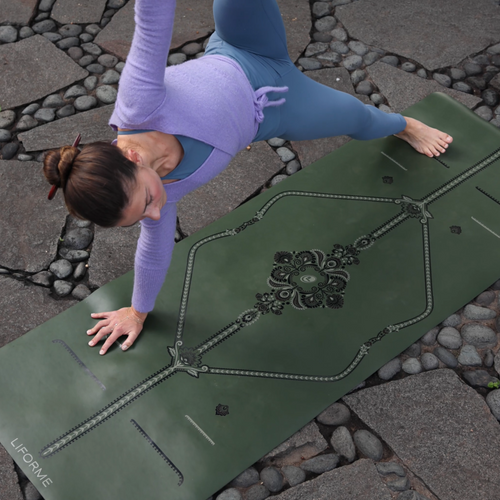
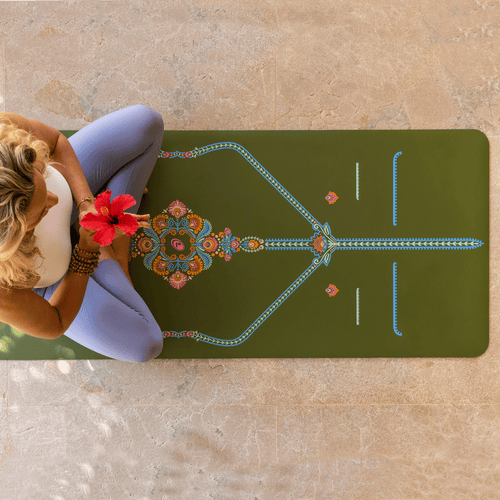
 Featured Yoga Mat: Liforme Classic Yoga Mat in Purple
Bird of Paradise Step-by-Step Instructions
- Begin in Extended Side Angle Pose with your right leg forward.
- Release your left arm behind your back.
- Bring your right arm under your right thigh to reach your right hand behind your back.
- Take hold of your left wrist with your right hand. If the hands don't meet, take a strap between them.
- Open your chest to the left side of your mat.
- Take your gaze down to your right foot.
- Keeping the bind, step your left foot toward the front of your mat. You can take one big step or move little by little.
- Bring your left foot next to your right foot.
- Keeping your left knee slightly bent, come up onto the ball of your right foot.
- Lift your right foot off the floor while straightening your left leg to come to a standing position with your bound right leg bent at the knee.
- Straighten your right leg any amount.
- To come out, bend your right knee and lower your right foot back to the floor.
- Step your left foot back to Bound Extended Side Angle before releasing the bind and repeating the pose on the other side.
🧘 Tip from a Yogi
The key element in this pose is the bind, which is intended to facillilate opening your chest in Extended Side Angle. If binding behind your back has he opposite effect, ie a collapse of the chest, then play with using a strap between your hands before progressing into Bird of Paradise.
Bird of Paradise Pose Basics
Sanskrit Meaning: Svarga (Heaven, Paradise) Dvija (Twice-Born) Asana (Pose)
Yoga Level: Advanced
Pose Type: Standing Balance
Pose Category: Hip Opener
Common Props: Strap
Svarga Dvijasana Benefits
- Strengthens your core and back.
- Improves your balance.
- Opens your hamstrings and hips.
- The bind opens the chest and shoulders.
Bird of Paradise Key Alignment Cues
1. Establish Your Bind
A behind-the-back bind in Extended Side Angle Pose is the origin point of Bird of Paradise. The bind not only holds the pose together, it also ensures the openness of your chest, which allows you to expand into the full posture.
2. No Bind? No Problem
If a behind-the-back bind doesn't work for you, you can still do Bird of Paradise. Use a strap between your hands to give you the space you need.
Beginner Tips for Bird of Paradise Pose
- Work on your bind in Bound Side Angle Pose before attempting the full pose. If the bind isn't comfortable on the ground, it won't be in a standing balance either.
- Use a strap between your hands if they don't meet behind your back. It's not a shortcut, it's the smart way to build toward the full pose.
- Don't worry about fully straightening the bound leg right away; a slightly bent knee still counts.
- Practice Standing Hand-to-Big-Toe Pose regularly to build the single-leg balance and hamstring openness the pose requires.
Svarga Dvijasana Preparatory Poses
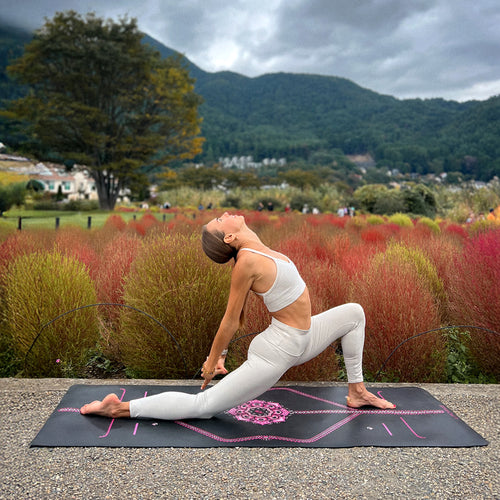
 Featured Yoga Mat: Expressions Yoga Mat in Love Red
Bound Triangle (Baddha Trikonasna)
Start to work on binds with this variation of Triangle Pose (Trikonasana).

Bound Side Angle Pose (Baddha Parsvakonasana)
Bound Side Angle is a key component of Bird of Paradise.

Extended Hand to Big Toe Pose B - Utthita Hasta Padangusthasana
Standing balances will also prepare you to tackle Bird of Paradise.
Why We Practice Bird of Paradise
Advanced poses like Bird of Paradise begin to combine familiar elements in surprising ways, which keeps things challenging and fun. Every pose is part of the process in the life-long practice of yoga.
Bird of Paradise Yoga Pose FAQs
What is Bird of Paradise yoga pose?
Bird of Paradise (Svarga Dvijasana) is an advanced standing balance that combines a behind-the-back bind with a full leg extension. It takes its name from the tropical flower, which the raised and extended leg is said to resemble.
Is Bird of Paradise pose suitable for beginners?
This is an advanced pose that requires solid hamstring flexibility, hip openness, and single-leg balance before attempting. Work through the preparatory poses first and build up gradually.
What if I can't bind in Svarga Dvijasana?
Use a strap between your hands. This gives you the space to work on the balance and leg extension while your flexibility develops over time.
What are the most common mistakes in Bird of Paradise yoga pose?
Rushing the transition from Bound Side Angle to standing, losing chest openness once upright, and trying to straighten the bound leg before the standing leg is stable are the three most frequent issues.
What are the benefits of Svarga Dvijasana?
Bird of Paradise strengthens the core and back, opens the hamstrings, hips, shoulders, and chest, and challenges your balance and body awareness. As an advanced pose that combines multiple skills at once, it also builds real confidence in your overall practice.