€ EUR
€ EUR

A yoga squat might seem like a simple pose, but Malasana, or Garland Pose, gives many people a lot of trouble. The idea and the instructions are easy enough, but it can be a very uncomfortable position if your body is more accustomed to sitting in chairs.
If you interact with small children, you’ll notice that they pop a squat without a second thought. As we get older, we often move away from this very natural way of sitting. We’re introduced to desks and chairs, and the more time we spend in them, the less agile our bodies become.. Over time, our hips tighten, our ankles stiffen, and we lose some of that instinctive connection to the Earth.
Malasana helps us rebuild that connection and strengthens the body. It can feel awkward or even painful if you are out of practice, but with consistent practice and a few alignment tips and props, you’ll soon be hunkering down more easily.

Step-by-Step Instructions for Malasana
- Stand at the front of your yoga mat with your feet a bit wider than your hips.
- Turn your toes out about 45 degrees.
- Bend your knees and lower your hips as close to the floor as you comfortably can.
- Once you are in a position you can sustain, sink your seat toward the floor and lift your chest.
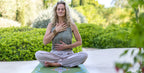
- Take your elbows to the insides of your knees. Bring your hands to Anjali Mudra at your heart. You can apply a little pressure with your elbows to widen the knees.
- Stay here for five to ten cycles of breath.
- To release, straighten your legs and come back to standing.
🧘 Tip from a Yogi
Everyone’s Malasana looks a little bit different, but your top priority here is to have your heels on the floor or on a prop like a rolled blanket or a wedge so you can ground down. You can play with lifting the heels at some point, but make it intentional, not by default.
Garland Pose Basics
Sanskrit Meaning: Mala (Garland) Asana (Pose)
Yoga Level: Beginner
Pose Type: Standing
Pose Category: Hip Opener
Common Props: A blanket and a block
Malasana Benefits
- Stretches the hips, groin, and lower back
- Strengthens legs and core
- Helps counteract the effects of prolonged sitting
- Increases ankle and foot flexibility
Key Alignment Cues for Yoga Squat
-
Heels Grounded
Keep your weight back in your heels. You can't do this if you are on the balls of your feet, so use a prop under your heels if they lift. -
Long Spine
Don't round your spine. Keep your shoulders back and your neck long. This feels more natural when the heels are properly rooted. -
Gaze Forward
Keep your gaze on the horizon. Don't look down.
Beginner Tips for Garland Pose
- If your hips feel tight and you can’t lower all the way down, try taking your feet a little wider.
- If your heels come off the floor, roll up a blanket and place it under them for support.
- If you can’t hold the pose, take a block (stack several if necessary) under your butt so you are sitting on the block(s).
Malasana Variations & Modifications

Revolved Garland (Parivrtta Malasana)
From your squat, place both hands on the mat between your feet. Keep pressure between your knees and elbows, then lift your left arm toward the ceiling, opening your chest as you twist to the left. Gaze upward if comfortable.
Bound Garland (Baddha Malasana)
From Parivrtta Malasana, reach your left arm behind your back and wrap your right arm in front of your right leg. Clasp your hands if you can, and use the bind to gently deepen the twist and open your chest.
Why We Practice Malasana
Malasana is a simple yet tricky posture that reminds us of our natural connection to the Earth. It strengthens the legs and core and improves flexibility, and even though it might feel awkward at first, it becomes much more natural with regular practice.
The key to good alignment is keeping your heels grounded, so use props from the beginning to build healthy habits. Over time, as your flexibility increases, you’ll find yourself relying on them less and less.
Malasana FAQs
What muscles does Malasana work?
It strengthens the thighs, glutes, and core while stretching the hips, groins, and ankles.
Is Garland Pose good for beginners?
Yes, it’s great for beginners! Use props like a blanket or block to support your heels or hips.
Why can’t I keep my heels on the floor while doing a yoga squat?
Tight calves or hips are often the cause. Place a folded blanket or wedge under your heels until flexibility improves.
Can I practice Malasana every day?
Yes. A short daily practice improves hip mobility and helps release tension in the lower back.
Is Garland Pose safe during pregnancy?
With your doctor’s approval, yes. Just keep the feet wide and use support under the hips if needed.
Interested in yoga during pregnancy? Discover the best prenatal yoga poses for each trimester.
What if my balance feels unstable in this pose?
Widen your stance slightly and focus on grounding your heels and lifting through the crown of your head.
What’s the difference between Malasana and a regular squat?
Malasana is a yoga squat focused on breath, grounding, and alignment, not just muscle strength or depth.