€ EUR
€ EUR

Hot yoga’s basic premise is evident from the name, but before you roll out your mat in a heated class, there are some things you should know. For instance, how hot it’s going to be, the primary benefits and risks, and how to prepare. And who is Bikram, anyway?
What Is Hot Yoga?
Hot yoga is any yoga done in a room heated to between 90-105 °F (that’s 32-40°C). The exact temperature depends on the specific style of hot yoga. Some facilities also increase the humidity, which can make it feel even hotter. Many hot yoga classes include vinyasa flow, but the original hot yoga, Bikram, takes a more static approach.
Bikram vs Hot Yoga
Bikram Choudhury pioneered the method of adding heat (105 °F) and humidity (40%) to the yoga room, along with a specific sequence of 26 poses (each performed twice) and two pranayama exercises. He also specified that Bikram yoga studios should be carpeted and have mirrors.
Bikram began teaching in the United States in San Francisco in 1973. His following grew throughout the 1980s and 90s, and Bikram eventually became one of the most popular types of yoga.
In the early 2000s, Bikram claimed to have copyrighted his system and pursued a number of legal disputes with yoga studios that were using either his name or his method without authorization. These were largely settled when the defendants agreed to stop using the Bikram name and series, but, in 2013, an appeals court ruled that a sequence of movements cannot be copyrighted.
In 2017, Bikram was accused of sexual assault by at least six women. After a judge ordered Bikram pay $6.8 million to his former attorney, who had sued him for sexual harassment, Bikram fled the US.
While he continues to work outside the US, many studios that were once Bikram-affiliated have dropped his name and/or his sequence. Today, it’s more common to find Bikram-inspired classes than the full method.
In short, all Bikram is hot yoga, but not all hot yoga is Bikram.
The Benefits of Hot Yoga
Flexibility and Range of Motion
Warming up before stretching helps promote flexibility. Adding an external heat source ensures that your muscles are really warm, which proponents believe facilitates even deeper stretching.
Endurance
Working out at higher temperatures is more taxing for your body, which helps improve your cardiovascular and respiratory stamina.
Mental Health
Enthusiasts know that hot yoga makes them feel better. Now, science is beginning to support those claims. A recent Harvard Medical School study found that even one or two hot yoga classes per week helped alleviate the symptoms of depression.
Room Temperatures and Conditions in a Hot Yoga Session
Heat can be generated in a variety of ways, which influence the conditions in a hot yoga room.
The most up-to-date studios use infrared panels to create radiant heat, but some spaces rely on forced air or even space heaters.
Sometimes humidifiers are also used to counter the dryness created by the heaters, or, in the case of Bikram-style yoga, intentionally raise the humidity to 40%.
Room temperatures vary from around 90 to 105 degrees Fahrenheit (32-40°C), depending on the studio and the class.
At these temperatures, it doesn’t take long for the sweat to start flowing.
Tips for Hot Yoga Beginners
It can take time for your body to get used to exercising in a hot room. Keep these tips in mind for the best experience.
-
Hydrate before, during, and after
Sweat out requires liquid in.
-
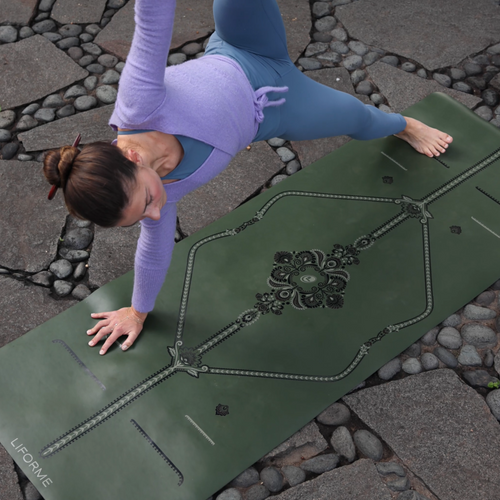
Get a grippy yoga mat
Your hands and feet will slip if you have a PVC mat. A nonslip yoga mat is essential.
-
Take breaks
You may feel lightheaded or nauseous at first. If you do, take a break in Child’s Pose and give yourself time to acclimate.
Hot Yoga Precautions
If you have a heart condition, high blood pressure, a history of heat sensitivity, or are pregnant, speak to a doctor before trying any hot yoga.
How to Prepare (Before, During, After)
Before a Hot Yoga Session
-
Drink plenty of water
-
Avoid heavy meals
-
Choose moisture-wicking clothing and yoga mat
-
Bring a towel and water bottle
During a Hot Yoga Session
-
Focus on your breath
-
Rest when necessary
-
Adapt your practice if you feel fatigued
-
Drink water
After a Hot Yoga Session
-
Rehydrate with electrolytes
-
Pay attention to how you feel after the practice
Hot or Not?
Hot yoga tends to elicit a ‘love it or hate it’ response. Its popularity is proof that many people love heated practices for their physical intensity and mental boost. However, if hot yoga is not for you, never fear. There are many other types of yoga with a host of benefits to explore.
Hot Yoga FAQs
What is the difference between hot yoga and Bikram?
Bikram is a type of hot yoga.
What temperature is the room in a hot yoga session?
It varies depending on the style, but expect 90-105 °F (32-40°C). Inquire about the exact temperature and humidity at any hot yoga studio.
Is hot yoga suitable for beginners?
Beginners can do hot yoga. Many hot yoga studios have beginner’s classes, and sometimes they are shorter and/or not as hot.
Can hot yoga help with stress?
Yes! Any type of yoga can help relieve stress. Some people respond particularly well to the intensity of hot yoga.
Who should avoid hot yoga?
If you have a heart condition, high blood pressure, previous heat sensitivity, or are pregnant, seek medical advice before trying hot yoga. If there’s any question, err on the side of caution and speak to your doctor.
What should I wear and bring to a hot yoga class?
Sweat-wicking, fitted athletic wear works well. Some people prefer leggings to absorb sweat, while others find shorts to be cooler. If the studio doesn’t provide towels, you should bring one, as well as a water bottle and a non-slip yoga mat.