£ GBP
£ GBP

A yoga retreat begins long before anyone steps onto a mat.
It starts as a spark, a pull. The quiet knowing that something meaningful is waiting to be created beyond the studio walls. Something to build towards. To shape. To anticipate.
For students, it’s an experience to sink into. For teachers, it’s an opportunity to expand what you offer into something immersive, memorable, and deeply transformative.
The most extraordinary retreats feel effortless to those attending and, at their best, to the organizer too. But behind that sense of ease? Thoughtful planning, careful timing, and a lot of moving parts working in harmony.
Starting early is key. Many retreat centers book out a year or even two in advance, so seeking and securing your venue ahead of time gives you the freedom to choose the right setting and shape every detail, from location to atmosphere, with intention.
In this guide, we’ll walk you through each step of the journey, helping you turn that first flicker of an idea into a fully realised explosion of an experience that lingers long after the final Savasana.
Planning Your Yoga Retreat
Defining Your Vision
Highly marketable, unforgettable retreats answer a question, meet a need, clearly define a “why.”
Are you creating a space for serious practice and growth, light-hearted fun and play, or something deeply restorative and nourishing? Is it a holiday to savor on the spot, or are there teachings to take home and integrate? Luxurious, adventurous, spiritual…
Your vision is the intention for your retreat, and it will influence everything from the setting to the schedule.
Ask yourself:
-
Who is this retreat for?
-
What do they need?
-
How will you provide that?
-
What’s the energy you intend to create?
-
How do you want them to feel when they leave?
-
What do you hope they’ll say about their experience after it?
Early clarity in your vision and purpose makes every later decision easier.
Choosing the Theme
Once your purpose is clear, your theme begins to take shape. This doesn’t need to be elaborate, but a theme threaded throughout makes it feel cohesive, like a perfectly packaged gift.
Tried and true retreat themes include (but are not limited to!):
-
Yogic styles – specify one or a blend (Vinyasa, Yin, Restorative, etc), perhaps with a philosophic theme – Chakras, anyone?!
-
Wellness-focused – curate meditations, breathwork, nervous system regulation
-
Adventure-based – plan excursions like hiking, surfing, horse riding around practices
-
Creativity-inspired – incorporate journaling or art
Your theme is the container that quietly holds everything together.
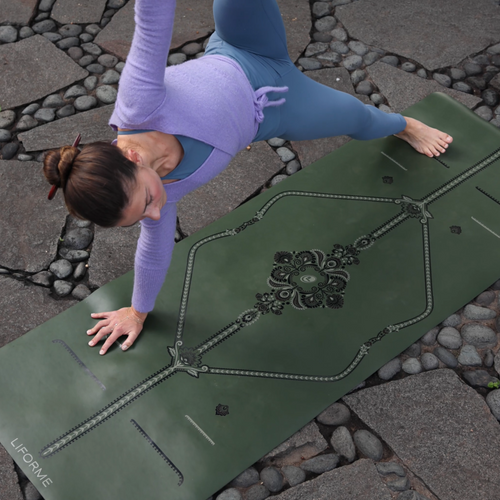
 Featured Yoga Mat: White Magic
Tackling the Logistics
The Financial Blueprint
Numbers may not be the most soulful part of planning, but they are essential.
Start by mapping out:
-
Venue costs and inclusions/exclusions – most venues have a very clear package outlining all the details, but never assume. Always inquire as to additional costs (such as dietary alterations for gluten-free guests, if use of yoga spaces, props, etc, are included, is coffee extra…)
-
Your inclusions – such as airport transfer and accommodation (will you arrange and include this in the total cost, or will guests be responsible?)
-
Your teaching fee – ensure that your outgoing costs allow for you to add on enough for your profit (gotta cover your own costs, such as your flight and the income you’ll miss out on at home whilst retreating)
-
Marketing expenses – will you pay to list your retreat on specific sites (most take a percentage of the cost rather than a flat rate) or leave your printed brochures somewhere (some studios and businesses allow this for a fee), you will certainly spend valuable time marketing (on your social media, newsletters, website)
-
Payment processing fees – will you accept payments solely through bank transfer, or will you incur fees (percentages deducted from your totals) via PayPal, Wise, Stripe, or other services?
-
What’s not included – add up additional costs (such as flights, visas, spa services), so you’ll have an idea in mind of how much guests can expect to spend in total
From there, build your pricing with a clear margin while ensuring it remains accessible to your audience. The price range of retreats is vast – from shoestring to super exclusive – and it’s wise to ask around about what your people are willing and able to spend.
Calendaring for Coolness
Consider the best time of year for your audience (school holidays may not be ideal for mostly moms) or your favourite location (avoid monsoon seasons).
Check out:
-
Venues – options in parts of the world in which you’re interested
-
Seasons – some venues offer different rates for high and low months
-
Airfare – average rate for different months
-
Weather – know as much as you can about what to expect during your top choice timing
Strive to be prepared to answer all questions that may be asked!
Choosing the Perfect Location
Location shapes the entire experience. Beach or mountains? Bustling city or quiet scenery? Big centre with multiple retreats happening simultaneously or smaller space or private villa just for your group?
Look for:
-
A venue with dedicated yoga space(s) and nice mats and props
-
Accommodation that feels comfortable and aligned with your audience
-
The extras you’re seeking (if any), such as adventurous excursion options
-
Cuisine that aligns with your taste – number meals provided, vegetarian and vegan options if applicable, etc
-
Proximity to a major airport, ideally within an hour
The goal is to provide all that you and your guests are seeking relatively easily, and to reduce travel stress so that students aren’t immediately deterred by the effort and cost and can arrive relaxed rather than depleted.
Managing Attendee Needs
Your students are likely coming to relax, recover, get away from the daily grind, refine and redefine their practices… and it’s your role to create a safe and supportive space where everyone receives what they need (within reason).
Collect:
-
Dietary requirements – share these with your venue
-
Injury history – most people know how to modify and take care of themselves, and it’s important for you to know too
-
Emergency contacts – name, relation, email, phone number, address
-
And consider asking if there’s anything additional they’d care to share – you never know what someone’s going through or celebrating, or how something else they wish to tell you about may help elevate your time together
A simple pre-retreat questionnaire (even just via email) helps you prepare and ensures everyone feels seen and cared for.

Designing the Retreat
Create a Balanced Itinerary
It can be tempting to fill every moment, but the magic often lives in the spaces between. Structure provides an opportunity to move freely within…
A strong retreat schedule balances:-
Daily yoga and additional practices you’re offering
-
Potentially workshops and/or excursions
-
Group meals and shared experiences
-
Unstructured free time – do not underestimate the power and value of this
-
Share the schedule with guests in a pre-retreat email in a clear way, such as:
Daily Schedule
- 8:00-9:30am – Meditation and Vinyasa Flow
- 9:30-10:30am – Breakfast
- 1:00-2:00pm – Lunch
- 5:00-6:00pm – Slow Flow
- 6:30-7:30pm – Dinner
- 8:00-9:00pm – Yin Yoga
+ 3:00-5:00pm – Philosophy Workshop – Tuesday and Thursday
Preparation Checklist
Before guests arrive, ensure the practical details are handled:
-
Yoga mat and props – sorted!
-
Sound systems or microphones – know how to use them
-
Rooms and amenities – make sure everyone arrives to a sweet setup
-
Printed schedule – post in the dining room or give each participant their own
-
Welcome packs or gift bags – if that’s your jam
Marketing and Execution
Multi-Channel Promotion
Even the most beautiful retreats and epic offerings need visibility. Clearly showcase what, when, where – and your why!
Promote your retreat through:-
Your own website – dedicate a page to this retreat which states the name, location, and dates at a glance, followed by brief descriptions about relevant details such as the venue, what’s on offer, getting there, accommodation/room options, prices, meals, a sample menu and schedule…
-
Social media – plan your posting strategy and storytelling - people love to see photos and videos of the location, and testimonials from students are an awesome way to help people get to know you
-
Email newsletters – share with your database first – early bird offers and limited time discounts can be an effective way to build momentum and get the bookings started
-
Personal invitations – tell your students and friends
-
Source support – ask students to invite friends and family
-
Liforme invites you to list your retreat for free by filling out a simple form!
-
Consider listing on retreat booking sites – be clear about their fees that cut into your profit margin
Clear Communication and Setting Expectations
Transparency builds trust.
Clearly outline:
-
Costs – often different accommodation options have varying rates, explain as transparently as possible
-
What is included – for example: accommodation, three meals each day, unlimited drinking water, coffee and fruit, all classes and workshops, use of props and pool!
-
What isn’t included – flights, transport to and from the airport, spa treatments, excursions, shopping in the centre’s boutique…
-
Travel details – which airport(s) are viable options, share which flights you’re booking (if you’d like!), alternatives for transport to the venue if you’re not arranging
-
Daily schedules – yogis love to know when practices begin in the morning, how many classes will be offered each day, mealtimes, and anything else on offer
-
Packing suggestions – share your must-brings, such as: yoga apparel, swimwear, sandals, hiking shoes, hat, sunglasses, sun cream, toiletries (shampoo, soap, lotions and potions), journal, poolside reading
🧘 Tip from a Yogi
"One of the most valuable lessons I’ve learned from hosting retreats is this: Don’t over-curate every single moment. Leave space for the unexpected – where the magic tends to happen. Some of the most meaningful experiences come from spontaneous conversations, quiet reflection, a shared laugh (or cry!) over an unplanned moment. A retreat is a living, breathing experience."

Post-Retreat Strategies
The retreat doesn’t end when everyone packs their bags.
Afterward:
-
Send a feedback survey to understand what worked and what could improve
-
Share photos or memories to reconnect the group and consider sharing how you’re feeling post-awesome experience – do you miss it?
-
Perhaps invite your guests to a Zoom a few weeks after – start with a few breaths together or a mini-version of a meditation you shared, reminisce, and ask everyone how they’re integrating the new magic into their old lives
-
Maintain communication through newsletters or online communities
-
Offer your past retreaters first options for your next one!
Beyond the Final Savasana
Organising a yoga retreat is both an art and a practice in itself. It calls for patience, clarity, creativity, and a willingness to dive into your own vision of what you want to share.
When all the pieces come together, it becomes something far greater than a schedule of classes. It becomes a space where people reconnect with themselves, open up to others, and experience yoga in a deep, lasting way.
And that’s the real magic of a retreat. Not just what happens while you’re there, but what everyone carries home with them long after the final Savasana… and into the rhythm of their everyday lives.
FAQs About Organizing a Yoga Retreat
When should I start planning a yoga retreat?
Ideally, begin 1-2 years in advance to secure venues, plan logistics, and allow enough time for marketing.
How do I calculate the pricing for a yoga retreat?
Add all costs you’re charging – including venue, travel (if included), marketing, and additional fees- then factor in your desired profit margin while keeping your audience in mind.
What should be included in a yoga retreat contract?
Include payment terms, cancellation policies, what’s included in the price, liability waivers, and a strong recommendation that guests purchase their own travel insurance.
How do I choose a venue that matches my yoga retreat theme?
Look for a location that naturally aligns with your retreat’s intention, whether that’s peaceful and secluded or active and adventurous.
What are the best ways to market a retreat to new students?
Use a mix of social media, email marketing, and personal outreach, focusing on storytelling and the experience and FEELING rather than just logistics.