£ GBP
£ GBP

Sei mai troppo vecchio per fare yoga? Assolutamente no! Anche se non l’hai mai provato prima, lo yoga dolce è generalmente accessibile a persone di qualsiasi età e presenta molti benefici per gli anziani. Fare yoga migliora la tua mobilità, flessibilità, e equilibrio. Anche prendere lezioni di yoga può farlo connetterti a una comunità, che supporta il tuo benessere emotivo. Lo yoga è un modo accessibile e a basso impatto per promuovere un invecchiamento sano.
🧘 Il consiglio di uno Yogi
"L'allineamento descrive la posizione precisa del tuo corpo in ogni posa yoga. L'allineamento ottimale è il modo più stabile e vantaggioso per eseguire ogni posa yoga. In molti casi, l'allineamento opzionale si ottiene meglio con il supporto di oggetti di scena come blocchi, supporti e cinghie."
Posizioni yoga sedute per anziani
Le pose sedute ti consentono di allungarti e torcerti da un luogo di stabilità. Sedersi su un sostegno può migliorare il tuo allineamento e rendere queste pose più confortevoli.
 Posa ad angolo limitato (Baddha Konasana)
Significato sanscrito: Badda (Legato) Kona (Angolo) Asana (Posa)
Livello di yoga: Principiante
Tipo di posa: Apri anca seduto
Perché questa posa: Usa la gravità per liberare l'inguine e l'interno delle cosce.
Oggetti di scena: Siediti su un cuscino, un blocco o una coperta piegata. Usa i blocchi sotto le ginocchia per un supporto extra.
Istruzioni passo passo:
- Inizia con a posizione comoda, a gambe incrociate. Siediti su un sostegno se la colonna vertebrale si curva in avanti.
- Unisci le piante dei piedi sulla linea mediana con le ginocchia che si aprono su entrambi i lati.
- Tieni i piedi e raddrizza le braccia per mantenere la colonna vertebrale in posizione verticale.
- Mantieni la posizione per cinque o dieci respiri.
 Torsione facile da seduti (Parivrtta Sukhasana)
Significato sanscrito: Parivrtta (Rivoluto) Sukha (Facile) Asana (Posa)
Livello di yoga: Principiante
Tipo di posa: Seduto
Perché questa posa: Le torsioni migliorano la mobilità della colonna vertebrale e la digestione.
Precauzioni: Se ti è stata diagnosticata una condizione spinale, come un'ernia del disco, consulta il tuo medico se la torsione è appropriata.
Oggetti di scena: Siediti su un cuscino, un blocco o una coperta piegata se le ginocchia sono sopra i fianchi quando ti siedi sul pavimento. Puoi eseguire questa posa anche mentre sei seduto su una sedia.
Istruzioni passo passo:
- Inizia in una comoda posizione a gambe incrociate.
- Inspira per allungare la colonna vertebrale.
- Durante l'espirazione, ruota la parte superiore del corpo verso destra, portando la mano sinistra fuori dal ginocchio destro e la mano destra sul pavimento dietro la schiena.
- Rimani per tre o cinque respiri, aumentando l'altezza durante le inspirazioni e approfondendo la torsione durante le espirazioni.
- Rilascia e fai la stessa cosa ruotando verso sinistra.
Posizioni yoga da tavolo e in ginocchio per anziani
Una posizione da tavolo è intrinsecamente stabile, quindi è un buon posto per lavorare in equilibrio. Imbottisci le ginocchia con a Tappetino per yoga o una coperta piegata se avverti fastidio mentre ti inginocchi.

Stretching gatto-mucca (Marjaryasana-Bitilasana)
Significato sanscrito: Marjari (Gatto) Asana (Posa) Bitila (Mucca) Asana (Posa)
Livello di yoga: Principiante
Tipo di posa: In ginocchio
Perché questa posa: Pratica di movimenti delicati per mantenere la colonna vertebrale mobile.
Istruzioni passo passo:
- Inizia su mani e ginocchia con le spalle sopra i polsi e i fianchi sopra le ginocchia. Se necessario, prendi un'imbottitura sotto le ginocchia.
- Inspira e solleva la testa, il petto e la coda mentre abbassi la pancia. Disegna delicatamente l'ombelico per mantenere un certo coinvolgimento nel tuo core.
- Espira e abbassa la testa, curva la colonna vertebrale verso il soffitto e piega la coda.
- Ripeti questo ciclo di movimento ogni volta che inspiri ed espiri per circa dieci respiri.
 Posizione del tavolo in equilibrio (posizione del cane-uccello)
Livello di yoga: Intermedio
Tipo di posa: In ginocchio
Perché questa posa: Rafforza il tuo core per migliorare l'equilibrio.
Istruzioni passo passo:
- Inizia su mani e ginocchia con le spalle sopra i polsi e i fianchi sopra le ginocchia. Se necessario, prendi un'imbottitura sotto le ginocchia.
- Estendi la gamba destra dietro di te e solleva il piede destro dal pavimento.
- Solleva la gamba destra parallela al pavimento mantenendo il bacino a livello.
- Fletti il piede destro.
- Estendi il braccio sinistro in avanti, parallelo al pavimento.
- Mantieni la testa in una posizione neutra.
- Dopo tre o cinque respiri, abbassa il palmo e il ginocchio sul pavimento e ripeti la posa sull'altro lato.
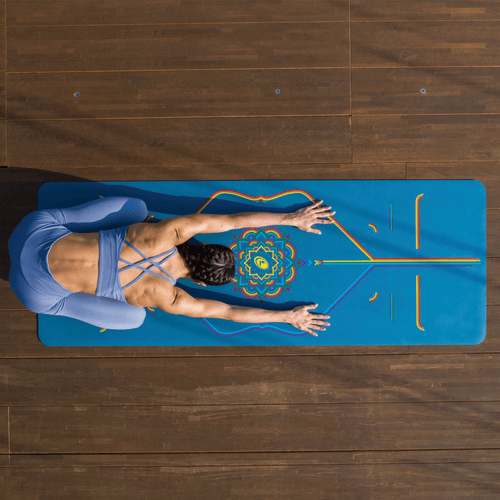
 Posizione del bambino (Balasana)
Significato sanscrito: Bala (Bambino) Asana (Posa)
Livello di yoga: Principiante
Tipo di posa: In ginocchio
Perché questa posa: Questa postura di riposo è anche un ottimo allungamento dell'anca.
Istruzioni passo passo:
- Inizia su mani e ginocchia.
- Tieni le ginocchia larghe quanto il tappetino.
- Affonda i fianchi indietro finché il sedere non poggia sui talloni.
- Tieni le braccia distese davanti a te o portale lungo il corpo.
- Porta la fronte a terra.
Posizioni yoga in piedi per anziani
Le posizioni in piedi adatte ai principianti costruiscono forza, stabilità ed equilibrio. Stare vicino a un muro o a una sedia per un supporto extra.
 Mountain Posizione (Tadasana)
Significato sanscrito: Tada (Mountain) Asana (Posa)
Livello di yoga: Principiante
Tipo di posa: In piedi
Perché questa posa: Stabilisci un allineamento di base per le pose in piedi
Istruzioni passo passo:
- Mettiti davanti al tappetino da yoga con i piedi direttamente sotto i fianchi (di solito a circa quindici centimetri di distanza).
- Posiziona il bacino sulle caviglie e le spalle sul bacino.
- Disegna l'ombelico, rilassa le spalle e gira i palmi delle mani in avanti.
- Mantieni la testa in una posizione neutra e lo sguardo dolce.
- Fai cinque respiri mentre presti attenzione a come si sente il tuo corpo in questa posizione.
 Posizione della sedia (Utkatasana)
Significato sanscrito: Utkata (Potente) Asana (Posa)
Livello di yoga: Principiante
Tipo di posa: In piedi
Perché questa posa: Questa posa aiuta a rafforzare la forza delle gambe
Istruzioni passo passo:
- Da Mountain Mettiti in posa, piega le ginocchia e porta indietro i fianchi come se dovessi sederti su una sedia. Assicurati che le ginocchia non si muovano verso il centro.
- Solleva le braccia sopra la testa in una posizione parallela con i palmi rivolti verso l'interno o tieni le mani sui fianchi.
- Trattenete la posizione per cinque respiri prima di raddrizzare le gambe per alzarvi in piedi.
 Posizione dell'albero (Vrksasana)
Significato sanscrito: Vrksa (Albero) Asana (Posa)
Livello di yoga: Principiante
Tipo di posa: Equilibrio in piedi
Perché questa posa: Migliorare il proprio equilibrio è importante per un invecchiamento sano
Precauzioni: Se ti senti traballante, stai vicino a un muro o a una sedia per supporto
Istruzioni passo passo:
- Inizia dentro Mountain Posa.
- Porta le mani sui fianchi.
- Trasferisci il tuo weight nella gamba destra senza cambiare la posizione dell'anca.
- Solleva il piede sinistro dal pavimento e porta la pianta del piede sinistro all'interno della gamba destra sopra o sotto il ginocchio destro.
- Controlla di nuovo la posizione dei fianchi per assicurarti che nulla sia cambiato.
- Prendi le mani Anjali mudra al petto o sollevarli direttamente sopra la testa.
- Dopo tre o cinque respiri, rilascia il piede sinistro a terra e ripeti la posa sull'altro lato.
 Cane a testa in giù (Adho Mukha Svanasana)
Significato sanscrito: Adho (Verso il basso) Mukha (Viso) Svana (Cane) Asana (Posa)
Livello di yoga: Principiante
Tipo di posa: In piedi
Perché questa posa: Questo classic la posa rafforza e allunga tutto il corpo.
Precauzioni: Evitare inversioni se hai il glaucoma.
Istruzioni passo passo:
- Inizia su mani e ginocchia in una posizione da tavolo.
- Piega le dita dei piedi verso il basso e premi sui palmi delle mani per raddrizzare le gambe e sollevare i fianchi verso il soffitto.
- Il tuo corpo sarà in una posizione a V rovesciata.
- Rilascia i talloni verso il pavimento.
- Continua a premere sui palmi delle mani per prendere il tuo weight nelle tue gambe.
- Piega le ginocchia se i muscoli posteriori della coscia sono tesi.
- Mantieni la posizione per cinque respiri, quindi abbassa le ginocchia a terra.
Posizioni yoga inclini per gli anziani
Queste pose offrono l'opportunità di allungare e rafforzare delicatamente la schiena.
 Posizione della Sfinge (Ardha Bhujangasana)
Significato sanscrito: Ardha (metà) Bhujanga (Cobra) Asana (Posa)
Livello di yoga: Principiante
Tipo di posa: Piegamento incline all'indietro
Perché questa posa: Questo piegamento all'indietro di supporto è ottimo per la tua postura.
Istruzioni passo passo:
- Inizia sdraiato a pancia in giù con le braccia nella posizione del palo.
- Premi i palmi delle mani e gli avambracci per sollevare la testa e il petto dal pavimento.
- Posiziona i gomiti direttamente sotto le spalle, gli avambracci paralleli tra loro e i palmi delle mani piatti.
- Premi sui palmi delle mani e sugli avambracci per allontanare le spalle dalle orecchie.
- Fai da cinque a dieci respiri qui.
 Posizione del Cobra basso (Bhujangasana)
Significato sanscrito: Bhujanga (Cobra) Asana (Posa)
Livello di yoga: Principiante
Tipo di posa: Piegamento incline all'indietro
Perché questa posa: Rafforza i muscoli di sostegno della schiena e della colonna vertebrale.
Istruzioni passo passo:
- Inizia sdraiandoti a pancia in giù con i palmi delle mani sotto le spalle, i gomiti piegati all'indietro e le braccia che abbracciano i fianchi.
- Durante un'inspirazione, premi sulla parte superiore dei piedi e solleva il petto dal pavimento di una certa quantità. Evita di premere sui palmi delle mani per assicurarti che il lavoro provenga dalla schiena.
- Durante l'espirazione, abbassa il petto e dirigiti verso il pavimento.
- Ripeti altre due volte.
Posizioni yoga supine per anziani
Rafforzati e allungati mentre ti rilassi.
 Posizione del ponte (Setu Bandhasana)
Significato sanscrito: Setu (Ponte) Bandha (Blocca) Asana (Posa)
Livello di yoga: Principiante
Tipo di posa: Piegamento supino
Perché questa posa: Migliora la mobilità della colonna vertebrale e rafforza i glutei.
Istruzioni passo passo:
- Inizia sdraiato sulla schiena con le ginocchia piegate e rivolte verso il soffitto.
- Avvicina i piedi ai glutei.
- Durante un'inspirazione, premi sulla pianta dei piedi e contrai i glutei per sollevare i fianchi dal pavimento.
- Le braccia possono restare lungo il corpo oppure puoi infilare le spalle sotto il petto e intrecciare le mani dietro la schiena.
- Rilascia i fianchi a terra durante un'espirazione.
- Ripeti altre due volte.
 Posizione della cruna dell'ago (Sucirandhrasana)
Significato sanscrito: Suci (Ago) Randhra (Buco) Asana (Posa)
Livello di yoga: Principiante
Tipo di posa: Apri anca supina
Perché questa posa: Controlli il livello di intensità con questo apriscatole.
Istruzioni passo passo:
- Inizia sdraiato sulla schiena con le ginocchia piegate e rivolte verso il soffitto.
- Avvicina il ginocchio destro al petto.
- Posiziona la caviglia destra sopra la coscia sinistra vicino al ginocchio sinistro.
- Lascia che il ginocchio destro si apra.
- Se desideri un allungamento più profondo, solleva il piede sinistro dal pavimento e tieni la parte posteriore della coscia sinistra.
- Disegna la coscia sinistra verso il petto a piacere.
- Dopo cinque o dieci respiri, rilascia ed esegui la posa sull'altro lato.
 Posizione supina della mano e dell'alluce A (Supta Padangusthasana A)
Significato sanscrito: Suppà (Supino) Padangustha (Alluce) Asana (Posa)
Livello di yoga: Principiante
Tipo di posa: Allungamento dei tendini del ginocchio in posizione supina
Perché questa posa: Un modo di supporto per aprire i muscoli posteriori della coscia.
Oggetti di scena: Tieni a portata di mano una cinghia da yoga, una cintura o un asciugamano
Istruzioni passo passo:
- Inizia sdraiato sulla schiena con le ginocchia piegate e rivolte verso il soffitto.
- Abbraccia il ginocchio destro e posiziona la cinghia attorno alla pianta del piede destro.
- Tenendo le estremità della cinghia con ciascuna mano, estendi la gamba destra verso il soffitto.
- Estendi la gamba sinistra dritta sul pavimento o tienila piegata.
- Dopo cinque respiri, rilascia la gamba destra e ripeti la posa sull'altro lato.
 Posizione del cadavere (Savasana)
Significato sanscrito: Sava (Cadavere) Asana (Posa)
Livello di yoga: Principiante
Tipo di posa: Riposo supino
Perché questa posa: È importante prendersi del tempo per rilassare completamente il corpo e integrare gli effetti della pratica.
Oggetti di scena: Coperte e capezzali opzionali.
Istruzioni passo passo:
- Sdraiati sulla schiena con le gambe distese sul pavimento e le braccia lungo il corpo.
- Lascia che i tuoi piedi si aprano su entrambi i lati.
- Rivolgi i palmi delle mani verso il soffitto e lascia che le dita si pieghino in modo naturale.
- Chiudi gli occhi.
- Usa qualsiasi oggetto di scena che ti faccia sentire più a tuo agio. Potresti provare un cuscino o una coperta arrotolata sotto le ginocchia. Copriti con una coperta se hai freddo.
- Esamina il tuo corpo dalle dita dei piedi alla testa. Se stai trattenendo la tensione ovunque, rilasciala.
- Respira naturalmente.
- Rimani qui per cinque o dieci minuti.
Benefici dello Yoga per gli anziani
Migliora l'equilibrio e la coordinazione
Con l’avanzare dell’età, l’equilibrio diventa un importante indicatore di salute e forma fisica. L’instabilità porta alle cadute, che sono la principale causa di lesioni negli anziani. Migliorare la forza delle gambe e del core, nonché la consapevolezza del corpo (dove il tuo corpo si trova nello spazio), è un enorme vantaggio dello yoga a qualsiasi età.
Supporta la salute e la flessibilità delle articolazioni
Con l’avanzare dell’età, le nostre articolazioni iniziano naturalmente a consumarsi. Rafforzare i muscoli che sostengono le ginocchia e le anche, in particolare, ti aiuta a rimanere attivo con meno dolore.
Calma la mente e il sistema nervoso
L’attenzione dello yoga sulla respirazione profonda e sullo stretching innesca la fase di “riposo e digestione” del sistema nervoso parasimpatico. L'intensa fisicità e l'attenzione ai dettagli dello yoga occupano completamente la tua mente durante la pratica, dandoti una pausa dalle chiacchiere mentali e ansia.
Precauzioni per i praticanti di yoga senior
Sebbene lo yoga sia delicato e adattabile, è meglio avvicinarsi ad alcune posture più intense con cautela, soprattutto quando si è nuovi alla pratica o si hanno lesioni preesistenti.
- Consultare sempre un operatore sanitario prima di iniziare un nuovo programma di esercizi.
- Salta le inversioni se hai il glaucoma. Se soffri di pressione alta, chiedi al tuo medico prima di invertire.
Evita piegamenti profondi in avanti o all'indietro se hai problemi alla colonna vertebrale.
- Modifica o salta weight-portamento sui polsi se è doloroso.
- Usa una sedia, un muro o dei blocchi per un supporto extra.
- Muoviti lentamente ed evita di trattenere il respiro.
Posizioni yoga che gli anziani potrebbero voler evitare
Se sei nuovo allo yoga, prova queste posture più avanzate.
- Piegamenti profondi (ad es. Posa della ruota): può affaticare la schiena.
- Inversioni avanzate (ad es. Headstand): rischio di cadute e lesioni al collo.
Domande frequenti sullo yoga per anziani
Lo yoga è sicuro per gli anziani?
Lo yoga è generalmente sicuro per gli anziani, ma ogni corpo è diverso, quindi è importante parlare con il medico se hai lesioni o condizioni di salute preesistenti.
Devo essere in forma o flessibile per iniziare lo yoga da senior?
Non è necessario essere in forma o flessibili prima di iniziare lo yoga. Prendi le cose con calma e ascolta il tuo corpo: lo yoga ti aiuterà a migliorare la tua forma fisica e la tua flessibilità.
Quale yoga è il migliore per i principianti senior?
Hatha Yoga è spesso una buona scelta per i principianti perché è delicato. Se riesci a trovare un corso di yoga specifico per gli anziani, sarebbe l’ideale.
Con quale frequenza gli anziani dovrebbero fare yoga?
La coerenza è molto importante nello yoga. Obiettivo da due a tre volte a settimana.
Sono troppo vecchio per iniziare lo yoga?
Mai! Lo yoga ha un posto per tutti. Se la mobilità è un problema, puoi anche fare Chair Yoga.
Quali sono i benefici dello yoga per gli anziani?
I benefici dello yoga per gli anziani includono una migliore mobilità, flessibilità, forza, equilibrio e salute mentale.