£ GBP
£ GBP

While Cobra is often classified as a beginner's pose, it is truly not only appropriate but also extremely beneficial for yogis of all levels. If it's been a while since you included Cobra in your vinyasa, it’s time to revisit it. You may be surprised at how much it still has to offer.
There is really no better way to learn how to access your back muscles than low Cobra. Upward Facing Dog, which often replaces Cobra in more advanced vinyasa sequencing, is a very different type of pose. Even if you’re quite capable of flowing from Chaturanga to Upward Dog, it’s always a good idea to do a few rounds of Cobra at the beginning of a practice session to wake up your back body.
The bent-arms version of the pose described below is often called Low Cobra, while the straight-armed version is called Full Cobra. Full Cobra offers the opportunity for a deeper backbend, but for building real back-body strength, Low Cobra wins out.
Cobra Pose Step-by-Step Instructions
- Lie on your stomach with your forehead on the floor and your legs extended. Place your palms flat beneath your shoulders, elbows hugging your sides.
- Lay your foundation first (root to rise). Firm your legs and press the tops of your feet down until your kneecaps lift. Engage your glutes to anchor your pelvis, hug your navel gently toward your spine, and sink your tailbone toward the floor.
- On an inhalation, lift your chest any amount while keeping your neck neutral and your gaze on the floor. Remember that how you lift matters more than how high.
- Use your back muscles rather than your hands. If you tend to push through your palms, hover them off the floor; your chest won’t lift as high, but you’ll move with more integrity.
- Draw your low ribs together so they don’t flare, slide your shoulders down away from your ears, and hug your shoulder blades toward the midline.
- On an exhale, lower your forehead to the mat. Inhale to lift into the next Cobra, letting your movement undulate with your breath like waves.
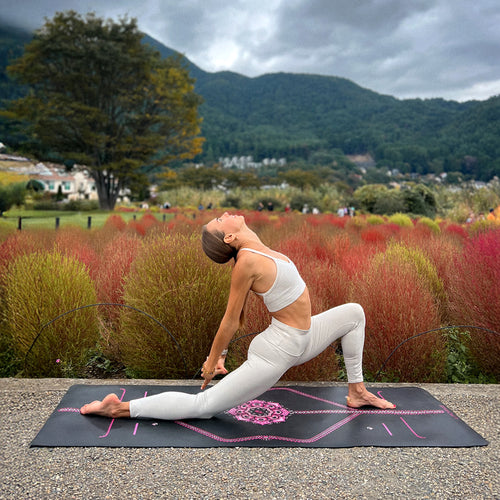
 Featured Yoga Mat: Liforme Classic Yoga Mat in Purple
In class, you may only have time to do one Cobra before moving on. On your own, it’s nice to do three or four in a row as each successive lift seems to bring you higher. You can also experiment with holding the pose for several breaths instead of lowering on the next exhale.
Bhujangasana Basics
Sanskrit Meaning: Bhujanga (Cobra/Serpent) Asana (Pose)
Yoga Level: Beginner
Pose Type: Prone
Pose Category: Backbend
Benefits of Low Cobra Pose
- Strengthens the muscles of the lower, mid, and upper back
- Stretches the chest and abdomen
- Works the quads and glutes
Bhujangasana Variations
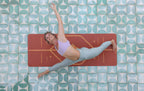
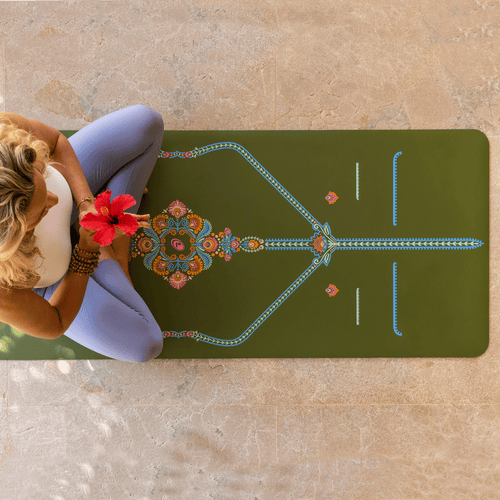
 Featured Yoga Mat: Tantalising Terracotta
A Full Cobra sounds like it should be a more advanced variation of the Low Cobra, but it’s actually a pretty different pose. To move from one to the other, follow the steps described above, but instead of keeping your elbows bent, press into your palms and straighten your arms to reach Full Cobra.
The reason why these variations are so different is that as soon as you put weight onto your hands to lift your chest in Full Cobra, you’re reducing the amount of work that your back muscles have to do. For back-body strength and awareness, stick with the small but mighty Low Cobra.
Why We Practice Cobra Pose
Low Cobra is one of the most direct ways to wake up and strengthen the muscles along the back of the body. By lifting with your back rather than your arms, you build strength and awareness through the spine, which supports better posture and makes deeper backbends safer down the line. It's a small, accessible pose that benefits yoga students of all levels.
Cobra Pose FAQs
What is Cobra Pose good for?
It strengthens the muscles along the length of your back while opening the chest and abdomen, making it one of the best poses for waking up and building awareness of your back body.
What's the difference between Low Cobra and Full Cobra?
In Low Cobra, the elbows stay bent, and the lift is powered by your back muscles. In Full Cobra, you straighten your arms for a deeper backbend, but when you lean more on your hands, it does less to strengthen your back.
Why shouldn't you push with your hands in Cobra?
Pressing into your palms lets your arms do the lifting and takes the work away from your back. Keeping the lift in your back muscles is what builds strength and control.
Who should avoid Low Cobra Pose?
Take care if you have a lower-back injury, and check with a healthcare professional if you're managing a back or wrist condition before practicing any backbends. Also, avoid poses in which you lie on your belly in later pregnancy.