How Thick Should a Yoga Mat Be?
Learn the ideal Yoga mat thickness for beginners and advanced Yogis. Discover how thickness affects comfort, balance, and joint support and explore Liforme mats built to help you practice safely.
Your Yoga mat’s thickness affects comfort, balance, and joint protection. Too thin, and your wrists and knees may hurt; too thick, and balancing poses becomes harder.
In this guide, we’ll show you how to choose the right Yoga mat thickness for your body, practice style, and space, and how Liforme Yoga Mats are designed to give you the perfect balance from your first practice to advanced poses.
Why Yoga Mat Thickness Matters
| Feature | 2-3mm thick | 4-5mm thick | 6mm+ thick |
|---|---|---|---|
| Best For | Travel & Commuting | All-Round Daily Practice | Restorative / Joint Pain Concerns |
| Stability | High: Absolute connection to the floor. | High: Firm base - no "wobble" in balance. | Low: Spongy - warps under pressure. |
| Joint Support | Moderate: Best used on carpet or over a studio mat. | Optimal: High-density cushioning for wrists and knees. | High: Soft - collapses under body weight. |
| Foundation | Ultra-Lightweight: Foldable & lightweight. | Weighted - mat lies perfectly flat; no curling or bunching. | Bulky: Hard to carry; large roll size. |
The Science of Support: Density vs. Thickness
When choosing a Yoga mat, most Yogis look at thickness to determine comfort. However, the true measure of joint protection is density.
Why Density Matters More
The Bottom-Out Effect: Cheap, low-density foam mats (often 6mm or thicker) are filled with air pockets that collapse under pressure. When you place your weight on your knees or wrists, the mat warps, and you "bottom out" and feel the hard floor beneath you.
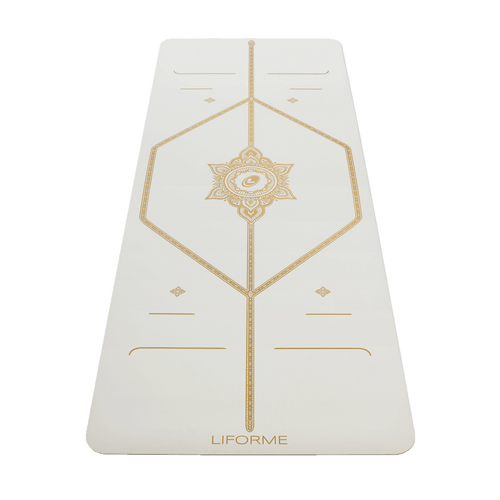
The Liforme Core: Featuring a patented three-layer construction designed to provide deep-tissue cushioning that never loses its shape. While generic mats rely on sheer thickness, Liforme's 4.2mm thickness utilises a high-density natural rubber base and a unique felt mid-layer. This combination provides the best impact protection for your wrists, knees, and joints by effectively absorbing shock while remaining firm enough for advanced balancing.
Performance Benefits of High Density
- Unrivalled Stability: Unlike "mushy" thick mats that cause your ankles to wobble in balancing poses like Tree Pose, a high-density mat provides a firm, responsive surface.
- Alignment Precision: A dense surface ensures you remain a stable. Low-density mats can warp or stretch during a pose, making your alignment and posture less accurate.
- Longevity: High-density natural rubber is incredibly durable and won't warp over time, ensuring your mat feels the same on day 1,000 as it did on day one.
Expert Summary: Think of thickness as the "size" of a pillow and density as the "quality" of the filling. A thin, high-quality mattress provides better back support than a thick, cheap foam topper. The same is true for your Yoga mat.
What are Liforme Yoga Mats the perfect thickness for your practice?
Joint Comfort
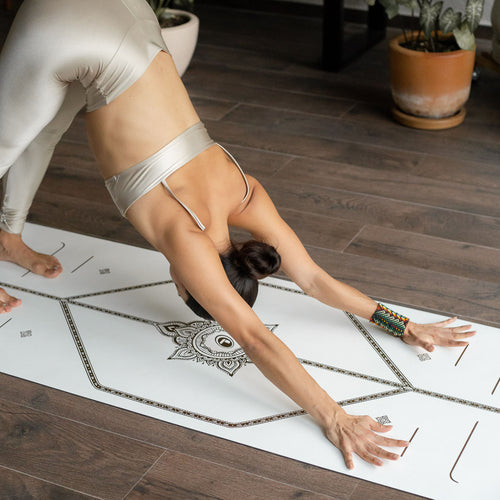
Thicker mats add extra cushioning for your wrists, knees, and hips, making poses like Downward Dog or Child’s Pose more comfortable. Liforme mats, such as the Regular Mat or Extra-Long Mat, are designed to absorb impact and reduce joint discomfort, helping you enjoy a safe and comfortable practice from start to finish.
Balance & Stability
A yoga mat that’s too soft can make it difficult to hold standing or balance poses. Liforme Yoga Mats offer the perfect balance of firmness and comfort, with optimal weight and thickness that allow the mat to lay completely flat. This means no rolled edges or slipping during transitions, so you can feel stable, balanced, and confident in every posture.
Comfort vs. Portability
Thicker mats, like the Liforme Regular Mat, offer excellent cushioning and support, making home practice comfortable, even if they’re a bit heavier to carry.
Thinner mats, such as the Liforme Travel Mat, are perfect for studio classes, commuting, or practicing on the go, without sacrificing comfort. Both options give you reliable support so you can focus on learning poses with confidence.
- 2-3mm mats: Thin and lightweight - perfect for travel or on-the-go practice, but offer less cushioning for joints. Liforme’s Travel Mat is designed at this thickness for portability without sacrificing grip.
- 4mm mats: Balanced cushioning and stability - ideal for beginners practicing at home or in the studio. Provides enough support for joints while maintaining balance. This is Liforme’s Regular Mat.
- 6mm+ mats: Extra cushioning - great for beginners with sensitive knees or wrists, restorative yoga, or longer floor sessions. Liforme’s Extra-Large Mat falls in this category.
Yes. Thinner mats generally offer more stability for standing and balancing poses, making it easier to hold postures without wobbling. Thicker mats provide extra cushioning for joints, which is ideal for beginners with sensitive knees, wrists, or hips. Liforme mats strike the perfect balance between cushioning and stability, so beginners can safely practice both balance and floor poses.
Both thickness and density affect comfort and support, but density often matters more for balance. A thicker but very soft mat can feel cushy but may make balancing difficult. Liforme mats are made from high-quality natural rubber with optimal density, giving the right firmness while maintaining enough cushioning for joint protection.
Not at all. Liforme Yoga Mats are designed to support Yogis at every level - especially beginners. Because they offer excellent grip, balanced cushioning, and alignment guides, they help you feel stable and confident as you learn foundational poses. Rather than being “too advanced,” many beginners find that Liforme’s features make it easier to build good habits from the start.
Yes. Hard surfaces like hardwood or tile may require a mat with more cushioning (4–5mm) to protect joints, while carpet can feel softer so a thinner mat (3–4mm) may be sufficient. Outdoor practice benefits from slightly thicker mats for added comfort on uneven surfaces.
Liforme mats are versatile across flooring types, giving you reliable grip and cushioning whether you’re indoors or outdoors.
Please see the size and dimensions of each type of Liforme mat below:
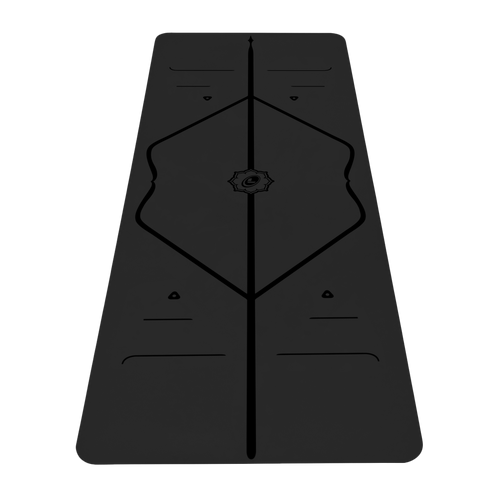
Regular Yoga Mat: 185cm L, 68cm W, 4.2mm thick, approx. 2.5kg
Extra Large Mat: 210cm L, 70cm W, 4.2mm thick, approx. 3.5kg
Travel Mat: 180cm L, 66cm W, 2mm thick, approx. 1.6kg
Yoga Pad: 33cm L, 64cm W, 4.2mm thick, approx. 0.65kg
Kids Mat: 146cm L, 61cm W, 4.2mm thick, approx. 2.0kg
Also, check out our Yoga Mat Guide to compare the different features of each type of Liforme mat, and help you decide which one is right for you!
Recommend by Yoga Teachers & Students
With over 22,000 five-star reviews Worldwide, Liforme mats are loved by Yoga teachers, students, and beginners alike.