€ EUR
€ EUR

Teaching yoga to children is a delightful blend of play, imagination, and mindfulness. Unlike adult classes, kids’ yoga emphasizes fun over perfection, fostering a love for movement and self-awareness.
The benefits for kids are numerous: improved focus, increased strength, better emotional regulation, and enhanced flexibility. Whether you’re a seasoned instructor or a parent introducing yoga at home, understanding how to connect with children through engaging methods is key.
As a mom of four and a yoga enthusiast with over 23 years of practice, I can attest that sharing yoga with my little ones has been an absolute joy. There's something truly special about watching children grow and develop a love for movement and self-awareness. It's a privilege to be a part of their journey, and I'm excited to share my experience with you.
This post covers essential strategies, creative themes, must-know poses, and tips on structuring a successful kids’ yoga class. Let’s dive into the playful world of teaching yoga to the youngest yogis!
Key Strategies for Teaching Kids Yoga
Keep It Short and Age-Appropriate
Children have shorter attention spans, so tailor your sessions accordingly. For kids under seven, aim for 20-30 minutes, while older children can handle 30-45 minutes. Incorporate interactive games like "Yogi Says" to keep them engaged and focused, turning yoga into a lively, fun activity.
The Power of Storytelling
Transform poses into captivating stories or adventures. Take kids on a space voyage where Downward Dog becomes a spaceship or a jungle safari where Tree Pose is a tall tree. This narrative approach sparks imagination and makes practicing poses exciting.
Engagement Through Music and Props
Music, chants, and props such as scarves or stuffed animals make classes lively. Rhythmic songs can guide breathing exercises, while props add a tactile element that keeps kids interested.
Making Breathwork Fun
Breathing exercises can be playful too! Try "balloon belly" breathing, where children imagine inflating a balloon in their stomach, making relaxation easy and enjoyable.
My 6-year-old daughter often reminds me: Inhale, smell the flowers. Exhale, blow out the candles.
The 8 Best Yoga Poses to Teach to Kids
 Featured Yoga Mat: Liforme Playful Kids Mat in Grey
Cat-Cow Pose
A gentle spine stretch that mimics a cat stretching and a cow mooing, helping with flexibility and warming up the spine.

Downward Dog
An inverted V pose that strengthens arms, legs, and shoulders while improving circulation.

Tree Pose
Balancing pose that encourages focus and steadiness, like a tall tree rooted in the ground.
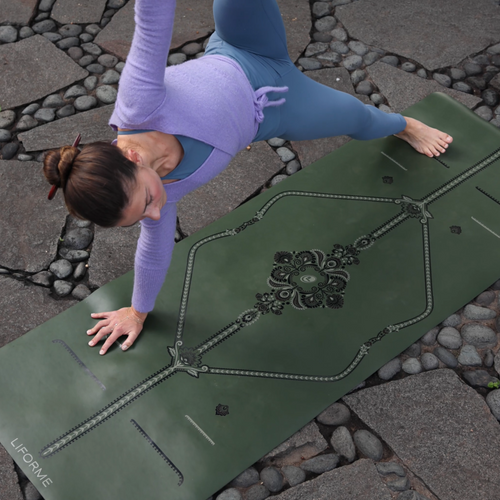
 Featured Yoga Mat: Liforme Classic in Blue
Child’s Pose
Resting pose that promotes relaxation and grounding, perfect for calming down.

Butterfly Pose
Seated stretch that opens hips and encourages gentle movement.

Cobra Pose
Backbend that strengthens the spine and opens the chest, ideal for energy renewal.

Star Pose
Standing pose with arms and legs stretched wide, fostering confidence and joy.
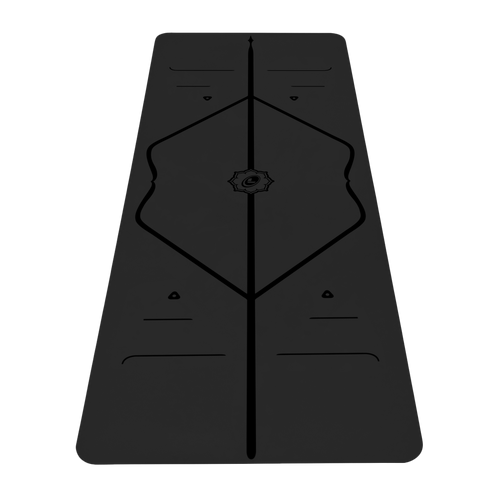
 Featured Yoga Mat: Black & Gold
Seated Twist
A gentle twist to improve flexibility and release tension.
For more fun ideas and detailed pose instructions, check out 16 Easy Yoga Poses for Kids!
How to Structure Your Kids’ Yoga Class
Warming Up and Setting the Theme
Start with a brief warm-up, incorporating playful movements and setting a theme, such as animals, space, or jungle adventures. Themes help focus energy and make the session memorable.
Modeling and Collaboration
Demonstrate poses clearly, using exaggerated movements and expressions. Invite children to suggest their own poses or ideas for the adventure, fostering creativity and participation.
The Importance of Savasana
A calming relaxation at the end, Savasana helps children integrate the experience and learn to quiet their minds. Use guided imagery or gentle music to enhance relaxation.
Most Importantly, Make it Fun
Teaching yoga to kids thrives on playfulness, imagination, and connection. Approaching classes as adventures rather than exercises creates a joyful environment where children can develop strength, focus, and emotional resilience.
I hope you've enjoyed this guide to teaching yoga to kids! It's been such a fun and heartwarming journey to share yoga with my Littles, and I'm thrilled to share it with you! Remember, the most important thing is to make yoga a joyous and inclusive experience for all. A playful, imaginative approach is the secret to inspiring young yogis.
Ready to start? Explore the Liforme Kids Collection and grab the Yoga for Kids Ebook for more ideas and guidance.
Teaching Kids Yoga FAQs
How long should a kids’ yoga class be?
Generally, 20-30 minutes for children under 7 and 30-45 minutes for older kids, depending on their attention span. If you’re looking to hold a 60-minute class, adding an art activity can be a fun option, or start the class with some music so the children can “shake their sillies out.”
What are the best themes for teaching yoga to children?
Themes like animals, space, jungle safaris, or fairy tales are highly engaging and foster imagination.
How do I keep children engaged during breathwork?
Use playful techniques like balloon belly breathing, blowing bubbles, or imagining blowing out candles to make breathwork fun.
Is it necessary to include Savasana in a kids' class?
Yes, it’s essential for teaching children how to relax and calm their minds after active movement, even if just for one minute.
Can parents participate in the yoga session?
Absolutely! Family yoga can be a bonding activity, encouraging children to practice alongside loved ones.