£ GBP
£ GBP

How often are you aware of your breathing? If you’re like most people, probably not very often. You’ll likely notice if it becomes difficult for some reason, like when you’re running or at a high altitude, but most of the time, our breathing doesn’t require much attention because it looks after itself.
That’s because respiration is one of the involuntary systems (like circulation) that keep our bodies running. But breath can also be controlled (like muscular movement) for specific effects. One of the best examples of this is how the breath affects the parasympathetic nervous system. When our bodies perceive danger, the ‘fight or flight’ cocktail of hormones kicks in, which causes us to take quick, shallow breaths. We can calm our bodies back towards ‘rest and digest’ mode by consciously slowing and deepening the breath.
What is Pranayama?
Pranayama is the yogic practice of breath regulation and one of Patanjali’s Eight Limbs of Yoga. The many ways of breathing with purpose are part of the practice of Pranayama; sharp, rapid breaths can warm and invigorate the body, while full, deep breaths can cool and calm. Making your inhales and exhales the same length creates balance, while exhaling forcefully releases excess heat.
The five breathing exercises described below are often practised in contemporary yoga classes.
Pranayama Breathing Precautions
If you feel dizzy, light-headed, or unwell at any point, come back to normal breathing and rest. If you’re pregnant, have high blood pressure, a heart condition, or any medical concerns, it’s wise to check with a qualified professional before practising strong techniques like Kapalabhati.
Top 5 Pranayamas for Yoga Asana Practice
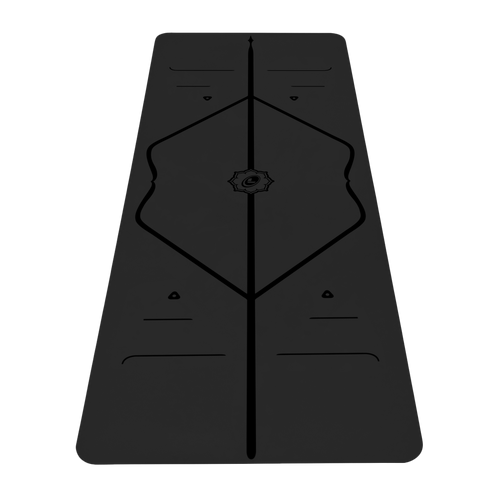
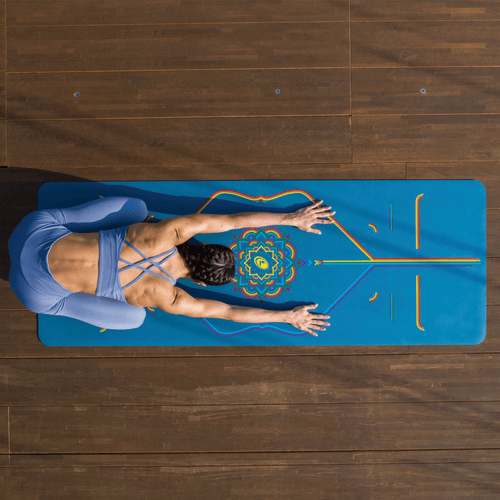
 Featured Yoga Mat: Expressions Yoga Mat in Happiness Orange
Ujjayi (Ocean Breath or Victorious Breath)
Ujjayi breath is the pranayama that comes up most frequently in vinyasa-style yoga, because it helps you keep your breath deep and regular during long holds and continuous flows.
Ujjayi Step-by-Step Instructions
- Take several rounds of breath with deep inhalations through your nose and exhalations through your mouth.
- On your next exhalation, tone the back of your throat as if you were fogging a pair of glasses or a mirror. Take a few cycles of inhaling through your nose and exhaling through your mouth with your throat toned to get the hang of it.
- After your next inhalation, keep your mouth closed and exhale through your nose while maintaining the same toned quality in your throat.
- After a few rounds like that, keep your throat toned while inhaling as well.
- Use this breath throughout your flow yoga practice to direct your energy and stay on an even keel.
Kapalabhati (Skull Shining Breath)

Kapalabhati consists of forceful exhalations and passive inhalations. Practice it seated at first, and stop if you feel light-headed. Once you are more experienced, you can bring this breath into an asana situation for an added burst of heat and energy.
Kapalabhati Step-By-Step Instructions
- Begin by inhaling and exhaling naturally through your nose.
- Initiate Kapalabhati by forcefully exhaling through your nose in short, regular bursts.
- Each time you exhale, draw your abdominal muscles toward your spine to help push all the air out.
- Let each inhale happen naturally. Your inhalations will be quite short.
- Keep the head, neck, and shoulders neutral so that only the abdomen is moving with each exhalation.
- Start with 20 rounds of breath and work your way up to about a minute.
- During asana, Kapalabhati can be introduced in almost any static posture.
Simhasana (Lion’s Breath)

Lion’s Breath is a strong exhalation that helps release excess tension and nervous energy. It can be done in a seated position, as described below, or during asana practice. Because it looks slightly ridiculous, it’s a good way to loosen up.
Simhasana Step-by-Step Instructions
- Come to sit in a kneeling position with your buttocks resting on your heels (Vajrasana) and your palms flat on your thighs.
- If this position isn’t comfortable, place a block or bolster under your butt to lift your seat.
- Inhale deeply. Exhale forcefully through your widely opened mouth while sticking out your tongue toward your chin and turning your gaze toward your third eye.
- The back of your throat is slightly toned to produce a roaring sound.
- Take three rounds of breath.
Sama Vritti (Equal Breath)

Equalizing your inhales and exhales helps bring the body into balance. This deep, slow breath has a calming effect. It also includes breath retention (kumbhaka). You may also hear this described as “box breathing” when the holds are the same length as the inhale and exhale.
Sama Vritti Step-by-Step Instructions
- Inhale slowly for a count of four.
- Retain your breath with your lungs full for a count of four.
- Exhale for a count of four.
- Retain your breath with your lungs empty for a count of four.
- Repeat this cycle for several minutes. If you like, you can extend your count to six or eight for a longer cycle.
Nadi Shodhana (Alternate Nostril Breath)

Nadi Shodhana Step-by-Step Instructions
- Sit in a comfortable position with your left hand resting in your lap.
- Bring the middle and forefinger of your right hand to your third eye (centre of your forehead).
- Place your thumb to the outside of your right nostril and your ring finger to the outside of your left nostril.
- Press your thumb to close your right nostril as you inhale through the left nostril.
- Press your ring finger to close your left nostril as you release your thumb and exhale through the right nostril.
- Inhale through the right nostril.
- Press your thumb to close your right nostril as you exhale through the left nostril.
- Inhale through your left nostril
- Continue this cycle for several minutes.
Benefits of Pranayama
- Helps calm the nervous system and support relaxation
- Improves breath awareness
- Supports focus and mental clarity
- Depending on the technique, pranayama can boost energy or help you feel more settled
Why We Practice Pranayama Breathing Exercises
Once you experience the effects of pranayama in yoga, you’ll find yourself much more aware of your breath in your daily life. In stressful situations, for instance, you’ll notice how your breath speeds up, and you can choose to slow it down to reassert a sense of calm. Pranayama can join yoga asana and meditation as a valuable part of your wellness toolbox.
Pranayama FAQs
What is pranayama in yoga?
Pranayama is the yogic practice of breathing with purpose, traditionally taught as one of the Eight Limbs of Yoga.
When is the best time to practise pranayama?
Many people practise pranayama at the start of a session to settle in, or at the end to downshift before rest. The best time is the time when you won’t be rushed.
Which pranayama is best for calming?
Sama Vritti (Equal Breath) and Nadi Shodhana (Alternate Nostril Breath) are commonly used when you want to feel steadier and more settled.
Is pranayama safe?
Pranayama is generally safe when practised gently and without strain, but some techniques are stronger than others. If you feel dizzy or unwell, return to normal breathing and rest. If you’re pregnant, have high blood pressure, a heart condition, or any medical concerns, it’s best to check with a qualified professional before practising.